








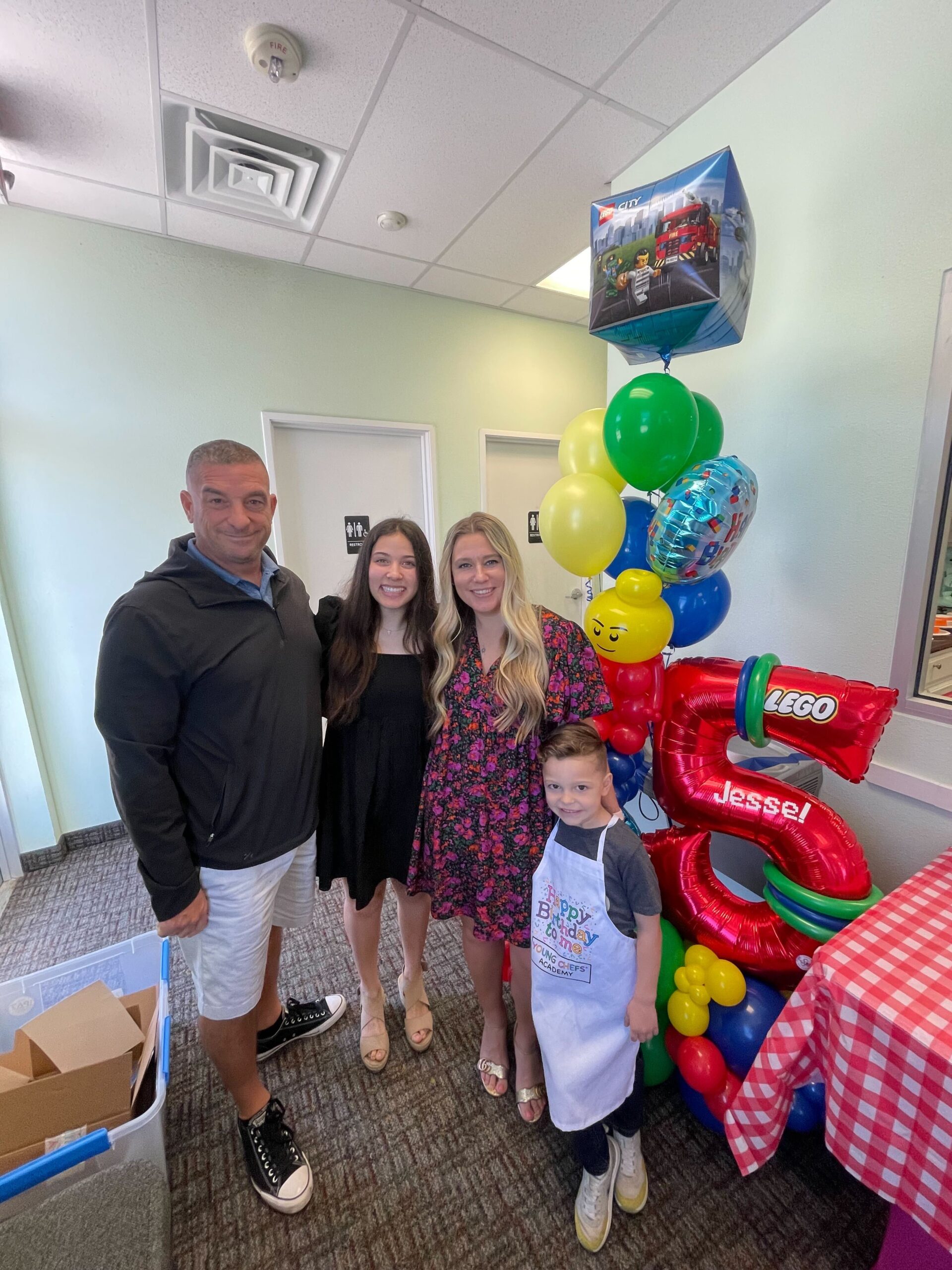
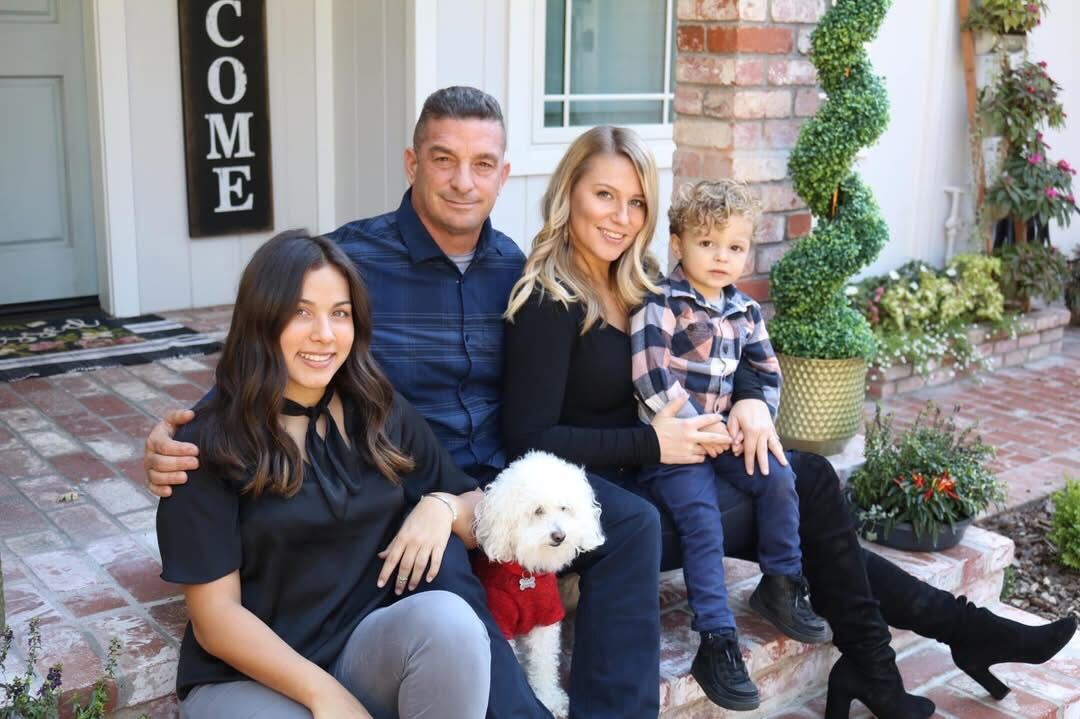
I’m Stephanie Fornaro, founder and CEO of Hello Nanny!, but my story really starts the moment I realized I couldn’t do motherhood the way I thought I was supposed to.
Before kids, my career was thriving. I graduated from UC Davis with a degree in Communications and built my professional life in sales and business development in medical devices and software. I was used to high pressure, long hours, and managing complex pipelines; on paper, I was successful and capable.
Then I had my second child — and everything unraveled. What was supposed to be one of the happiest times of my life became one of the hardest. I was postpartum, overwhelmed, and quietly drowning. The days blurred together, and survival often looked like standing over a pot of boxed mac and cheese, stirring long after it was done because the predictability was the only thing grounding me. My newborn cried in a way that shook me to my core, and my body didn’t feel like my own. Shame became my default language.
I was resentful that my husband went back to work and angry that I needed help. I believed “having it all” meant handling it all — and I was failing. It took a pediatrician asking me how I was really doing for the truth to surface. Eventually, I put my pride aside and accepted help from a mother’s helper named Megan.
Hiring her didn’t just change my day‑to‑day life — it saved me and my marriage. Strength, I learned, isn’t pushing through at all costs; it’s knowing when to ask for support. In 2022, I founded Hello Nanny! to help other working parents experience that same sense of relief and stability — to connect families with trusted caregivers who allow them to truly show up at home and at work.
My kids taught me unconditional love and forgiveness. They forgive quickly, love without keeping score, and move forward without resentment. I’ve carried that into my work by leading with more grace — giving people room to learn, make mistakes, and grow without being defined by a single moment. It reminded me that trust and progress are built through understanding and second chances, not perfection.
My parenting style could best be described as Guided Autonomy Leadership. It’s a philosophy rooted in trusting my children to explore the world, figure things out for themselves, and learn meaningful lessons through experience. Rather than micromanaging their choices, I focus on creating clear values and guardrails that keep them safe while still giving them the freedom to grow. I stay present as a guide and coach, stepping in when support is needed, but allowing space for independence and resilience to develop naturally.
CEO, Chief Life Integration Officer, and Head of Strategic Transitions. I’m leading a company while raising an 8‑year‑old, supporting a 20‑year‑old through college and marriage, and keeping the whole ecosystem moving forward.
Lecture. I really try to keep my opinions to myself, but I often can’t resist.
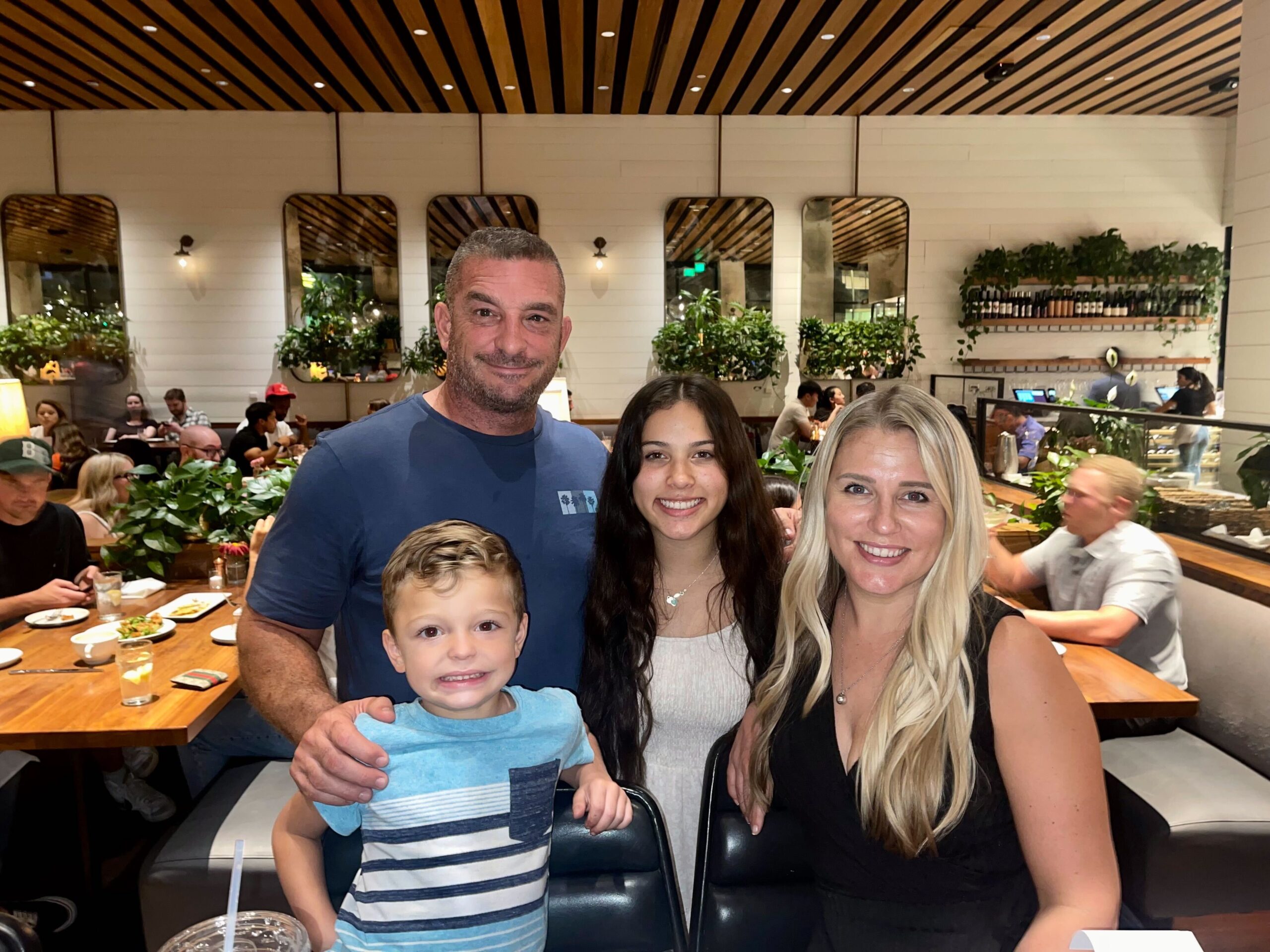
Becoming a parent deeply influenced how I lead and manage others. Early in my career, I learned that I performed best when I was trusted rather than micromanaged. I carried that same philosophy into parenting. With my daughter, I focused on setting clear standards and outcomes rather than hovering over the process. If her grades fell below our agreed expectations, there were consequences—but she also knew it was her responsibility to ask for support if she was struggling. That approach reinforced ownership and accountability, which is exactly how I lead teams today: I provide guardrails and support, then trust people to rise to the occasion.
One of the moments I felt most misunderstood was early in my career when I asked to work from home because my daughter was sick and was denied. Around the same time, a male colleague was granted the ability to work from home when his dog had surgery. That experience exposed a quiet double standard. What I wish people understood is that working parents aren’t asking for special treatment — we’re asking for equitable consideration. Flexibility isn’t a lack of professionalism; it’s a tool that allows talented people to continue showing up fully, both at home and at work.
I became a mom very young, before I’d finished college, and at that point, I lacked focus and direction. Parenthood changed that overnight. I knew I was setting an example, and I couldn’t expect from my child what I wasn’t willing to complete myself. So I finished my studies and carried that discipline into performance‑based sales roles. Parenting raised the stakes — it made consistency, accountability, and follow‑through non‑negotiable.
Success for me looks like solving real problems for working parents. It means building an ecosystem that gives families the infrastructure they need to remain in the workforce without sacrificing their well‑being. Success is helping parents stay employed, keep their families stable, and protect their mental health — not by asking them to do more, but by removing the barriers that make it harder than it needs to be.
It would be a results‑driven accountability model. Instead of rigid rules around schedules or hours, everyone would be held accountable for clear outcomes and performance standards. If the work gets done and results are delivered, flexibility should be a given. This approach treats working parents like capable adults, removes unnecessary friction, and creates fairness by focusing on results rather than optics.
Family planning intersected with my career in a very real and unromantic way. I didn’t plan to become a mother at 20, and it immediately reshaped my priorities. I made the very intentional decision not to have additional children for many years, knowing another child at that stage would likely have pushed me out of the workforce entirely. Thirteen years later, when I chose to have my son, I was established and strategic about what support would be required. I was clear that expanding our family could not come at the cost of giving up my career.
I relied almost entirely on self‑built support. What started as a mother’s helper evolved into a full-time nanny, but I didn’t have access to resources on how to hire or manage household help properly. I had to figure everything out on my own — from vetting to tax compliance. That experience revealed how fragmented the childcare employment industry is, which is what led me to build a nationwide nanny agency and an operating system for families. We treat families like employers because they are, and we provide them with the professional infrastructure — like payroll and background checks — they need to manage care with confidence.
Don’t try to do it all alone — and don’t assume it should all fall on one person. Be intentional early about childcare and support in the home, and have honest conversations with your partner about the division of labor. Balance comes from designing a system that works — not from expecting one parent to carry everything alone.